• Skip to primary navigation
  • Skip to main content
  • Skip to primary sidebar

Adam Fletcher Adventure Series

Bestselling, family-friendly historical fiction set on the colonial North Carolina coast

  • Home
  • The Author
  • Blog

Colonial History

George Washington’s Thanksgiving Proclamation of 1789

George Washington's Thanksgiving Proclamation

While there are revisionist historians who awkwardly perform intellectual somersaults and contortions to construct fictional narratives about our nation’s history, insisting that its foundations are wholly secular, the plain fact is that the United States of America was”without question, debate, or doubt”established as a “nation under God.”

A clear sense of Biblical ethics infused every aspect of American Colonial life and the Founders would have never imagined it possible to establish and maintain a successful Republic that does not keep its eyes fixed on God and its moral framework grounded in the Scriptures.

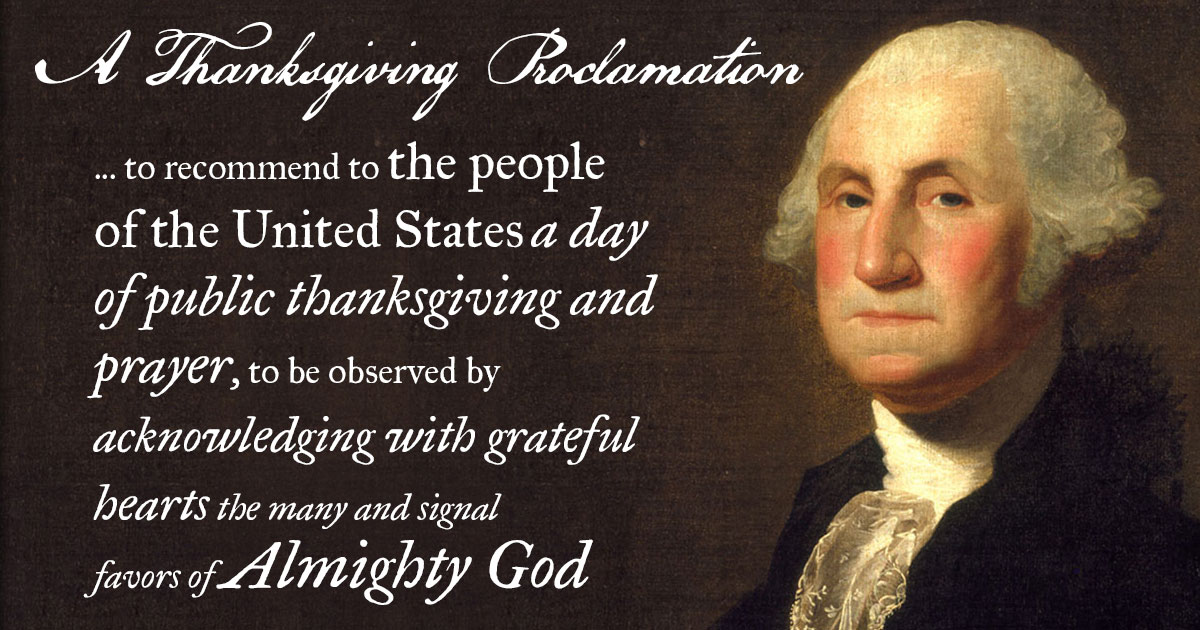
In fact, it was of such importance to our Founding Fathers to acknowledge God ” the Author and Creator of all things ” and His Divine Providence that allowed this country to come into existence, that even our very first president, George Washington, “at the request of Congress,” issued the following:

Thanksgiving Proclamation

Issued by President George Washington, at the request of Congress, on October 3, 1789

By the President of the United States of America, a Proclamation.

Whereas it is the duty of all nations to acknowledge the providence of Almighty God, to obey His will, to be grateful for His benefits, and humbly to implore His protection and favor; and”Whereas both Houses of Congress have, by their joint committee, requested me œto recommend to the people of the United States a day of public thanksgiving and prayer, to be observed by acknowledging with grateful hearts the many and signal favors of Almighty God, especially by affording them an opportunity peaceably to establish a form of government for their safety and happiness:

Now, therefore, I do recommend and assign Thursday, the 26th day of November next, to be devoted by the people of these States to the service of that great and glorious Being who is the beneficent author of all the good that was, that is, or that will be; that we may then all unite in rendering unto Him our sincere and humble thanks for His kind care and protection of the people of this country previous to their becoming a nation; for the signal and manifold mercies and the favor, able interpositions of His providence in the course and conclusion of the late war; for the great degree of tranquillity, union, and plenty which we have since enjoyed; for the peaceable and rational manner in which we have been enabled to establish constitutions of government for our safety and happiness, and particularly the national one now lately instituted; for the civil and religious liberty with which we are blessed, and the means we have of acquiring and diffusing useful knowledge; and, in general, for all the great and various favors which He has been pleased to confer upon us.

And also that we may then unite in most humbly offering our prayers and supplications to the great Lord and Ruler of Nations, and beseech Him to pardon our national and other trangressions; to enable us all, whether in public or private stations, to perform our several and relative duties properly and punctually; to render our National Government a blessing to all the people by constantly being a Government of wise, just, and constitutional laws, discreetly and faithfully executed and obeyed; to protect and guide all sovereigns and nations (especially such as have shown kindness to us), and to bless them with good governments, peace, and concord; to promote the knowledge and practice of true religion and virtue, and the increase of science among them and us; and, generally, to grant unto all mankind such a degree of temporal prosperity as He alone knows to be best.

Given under my hand at the City of New York the third day of October in the year of our Lord 1789.

Go. Washington

For a brief history of the Reformed Theologians who first began this day of Thanksgiving in America and who, in fact, helped shape our Constitutional Republic, please enjoy this thorough article by Mark David Hall at The Federalist.
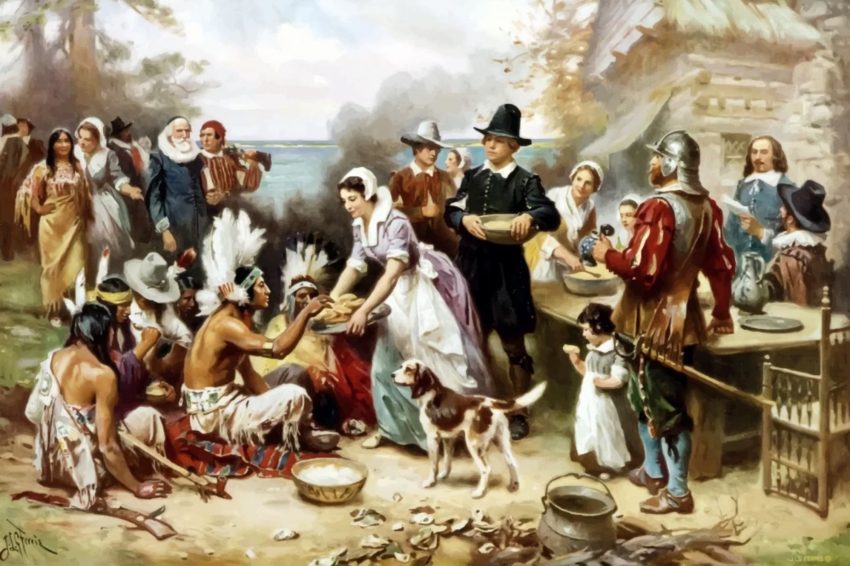
Thanksgiving


Originally published November 20, 2015. Updated November 26, 2020.

The Spanish Invasion of Beaufort: How slaves turned settlers became pawns in Spain’s hand

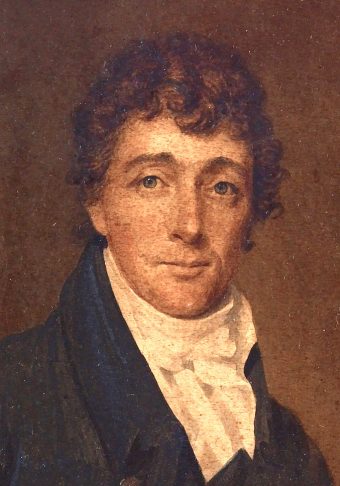
Francisco Menendez (left), a runaway slave who became captain of the Fort Mose militia, may have had some involvement with the Spanish invasion of Beaufort in 1747.
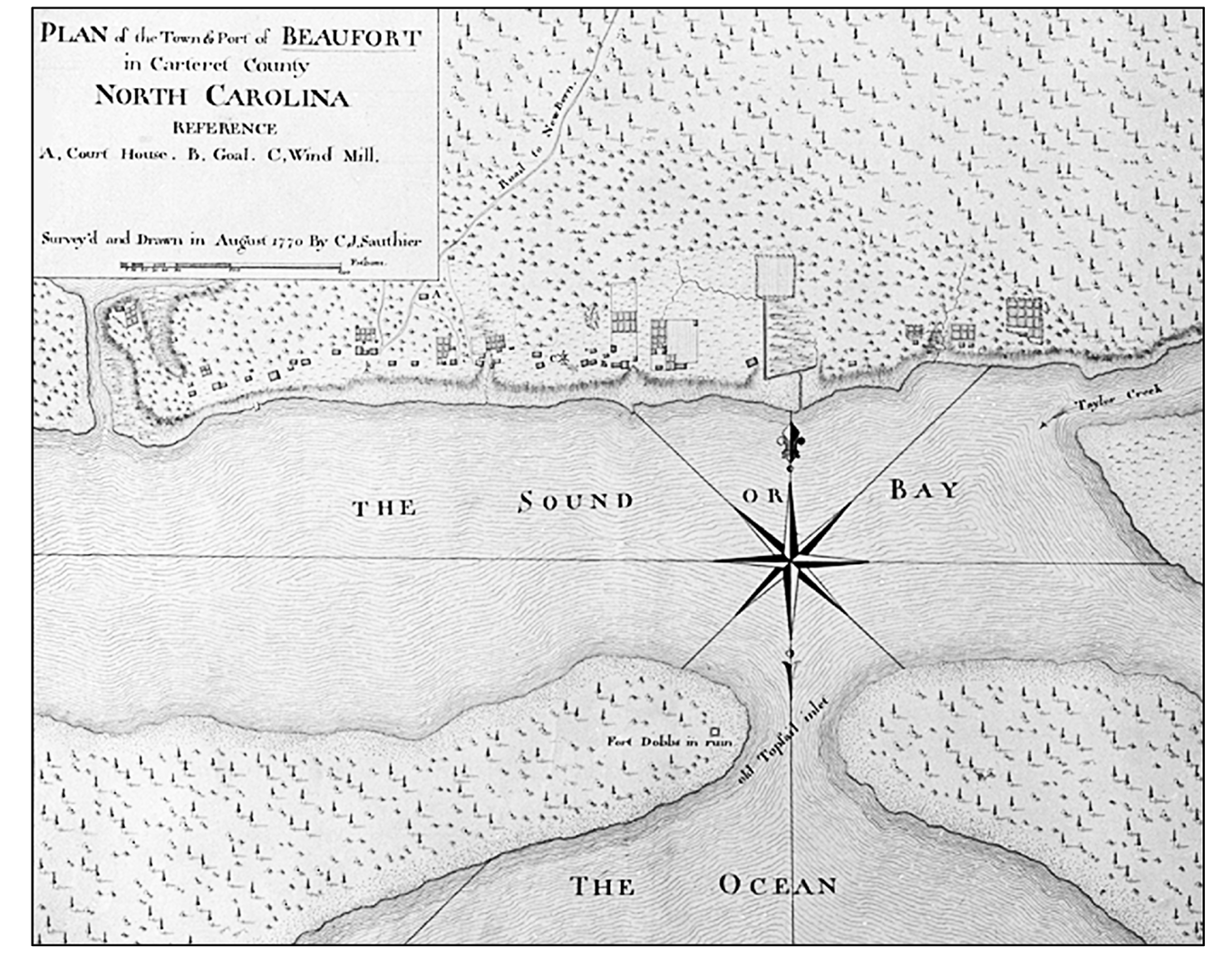
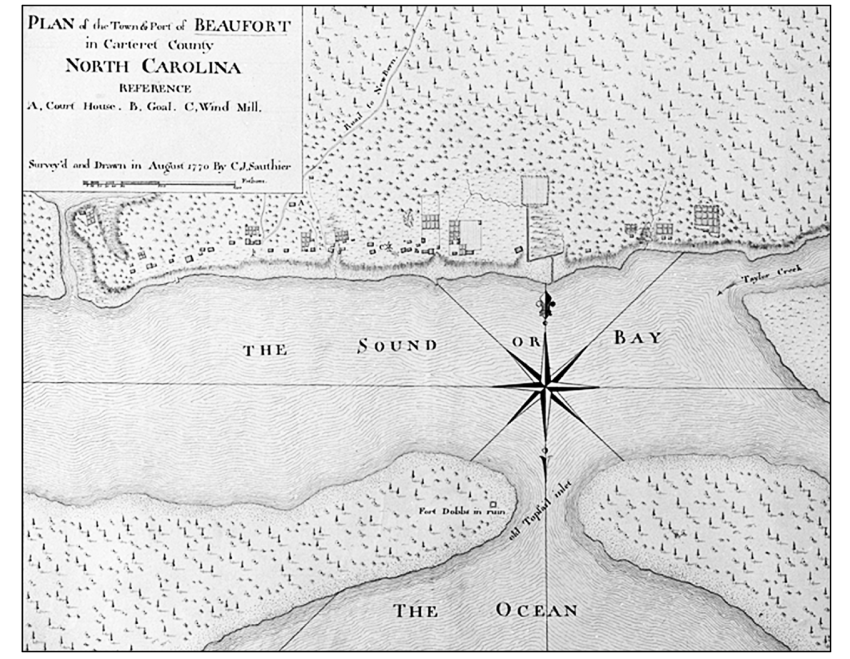
Francisco Menendez (left), a runaway slave who became captain of the Fort Mose militia, may have had some involvement with the Spanish invasion of Beaufort in 1747. (Background map was a 1770 “Plan of the Town & Port of Beaufort” by cartographer C.J. Sauthier)

Book 1

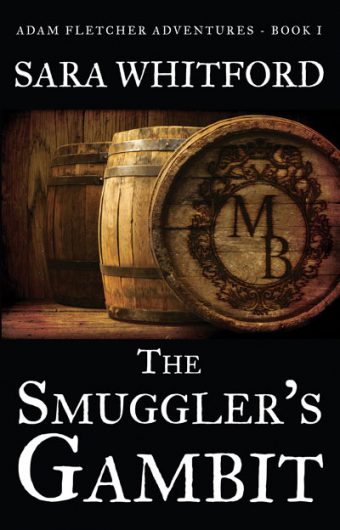
On Adam Fletcher’s first day as an apprentice (in The Smuggler’s Gambit), he is placed under the instruction of Boaz Brooks, senior cooper and second-in-charge at the shipping company. Adam learns that Boaz was also forced into an apprenticeship when he was younger. As they share their personal histories, one of the topics that arises is the 1747 Spanish invasion of Beaufort. In book 2, Captured in the Caribbean, more information comes out about that frightening event.
Although the event isn’t explored in depth in the novel, it was a very real part of Beaufort history. To date, however, no one has really explored the subject of who exactly those Spaniards were who took the town.

That is, until now.

What we already know

In the Preface to Volume 22 of the State Records of North Carolina, we are told that Spaniards invaded the coast in three different locations spanning a period of nearly a decade. The first instance occurred in 1741 near Ocracoke Inlet. The final instance occurred along the Cape Fear when Spaniards invaded Brunswick in 1748. The Beaufort invasion, however, took place in 1747 and is summarized in this way:

In June, 1747, the Spaniards took possession of the town and harbor of Beaufort, and Colonel Thomas Lovick called out his regiment to repel them. Major Enoch Ward was on duty with fifty-eight men when the town was taken on 26 August, and the alarm continued until 10 September, although probably the Spaniards departed earlier. On 6 September William Moore brought in his bill against the public for fifteen hundred pounds of beef for maintaining and imprisoning ten Spanish negroes, and for a gun which had burst in time of action which he said cost him eighty pounds. These Spanish vessels were largely manned by negroes and mulattoes.

At the bottom of this article, there is a list of the brave Beaufort citizens who banded together to fight off these Spanish marauders and restore peace and tranquility to the otherwise quiet seaport town.

Who were these Spanish “negroes and mulattoes” and what did they want?

In The Colonial Records of North Carolina, Volume 4, we are given a bit more information about these men:

In 1747, several small sloops and barcalonjos crept along the coast from St. Augustine, full of armed men, mostly mulattoes and negroes, their small draught securing them from the attacks of the only ship of war then on our coast. They landed at Ocacock, Core Sound, Bear Inlet and Cape Fear, where they killed several people, burned some ships and small vessels, carried off some negroes and slaughtered a great number of cattle and hogs. These practices continued all the summer of 1747, and led to the erection of several forts along the coast, one of which, Fort Johnston, still survives.

Why would “negroes and mulattoes” have “carried off some negroes”?

I can think of a few reasons, but perhaps if we learn who these black Spaniards from St. Augustine were we can better ascertain why they would’ve been interested in taking local “negroes” with them.

Fort Mose ” The Spaniard’s Gambit?

Established in 1738 as the first free black settlement in what would eventually become the United States, Gracia Real de Santa Teresa de Mose, or “Fort Mose” (pronounced Moh-say) for short, was located just outside St. Augustine, Florida. It was created as a Spanish sanctuary of sorts for runaway slaves from the Carolinas. They were welcome to stay in the settlement as free men and women provided they would convert to Catholicism and pledge their allegiance to the King of Spain.

It should be pointed out that their allegiance meant that their position just north of St. Augustine demanded the residents of Fort Mose act as the northern defense for America’s oldest city, a challenging position considering Spain’s enemies to the north were the English.

Just two years later, in 1740, their allegiance was put to the test when British forces came from Georgia, led by James Oglethorpe, with the intention of taking over the fort. Spanish troops, along with local Indians and the free black militia counterattacked and ran the British troops out, but destroyed the original fort in the process. For a time, the residents of Fort Mose relocated to St. Augustine and lived among the Spanish there, but it wasn’t to last.

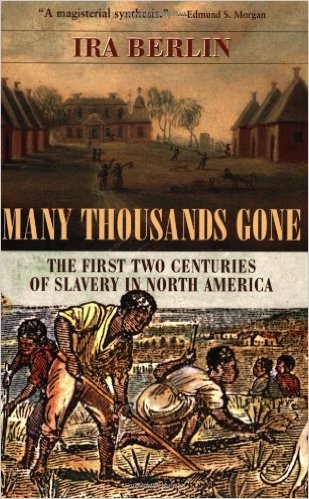
Many Thousands Gone: The First Two Centuries of Slavery in North AmericaIn his book, Many Thousands Gone: The First Two Centuries of Slavery in North America, historian Ira Berlin writes:

Declaring themselves “vassals of the King and deserving of royal protection,” they continually put themselves in the forefront of service to the Crown with the expectations that the Crown would reciprocate.

Hoped-for rewards were not always forthcoming. All “vassals of the King” were not equally favored. Beginning in 1749, a new governor of Florida forced black people to return to Mose, much against their will, as they had enjoyed the cosmopolitan life of St. Augustine, where their ability to converse in several European, Indian, and African languages gave them a place as cultural brokers in a multicultural society. 

Make no mistake about it, mercy and compassion are not what prompted the Spanish government to welcome fugitive slaves into the Florida colony. It was a strategic decision. What better way to destabilize the fledgling English colonies to the north than to entice their labor force”albeit their slave labor force”to run south? And then, on top of that, they expected those slaves-turned-settlers to take up arms against any threats to Spain and her territories.

Maybe even return to the colonies from whence they came to take their countrymen and exact a bit of revenge?

Why was Beaufort a target?

As it said earlier in this article, the attack on Beaufort was one of a series of attacks on the coast of North Carolina by Spaniards. Again, it was strategic. According to historian Charles L. Paul, the population of taxables in Carteret County in 1748, the year after the invasion, was only 320, while the taxables for the town of Beaufort was only one-tenth of that number, or just 32. (In North Carolina, taxables, or tithables, were defined as follows, “¦every white Person Male of the age of Sixteen Years and upwards all Negroes Mulattoes Mustees Male or female and all Persons of Mixt Blood to the fourth Generation Male and Female of the age of twelve years and upwards, and no other Persons whatsoever, shall be deem™d Tithables.”)

Beaufort, North Carolina - Sauthier map, 1770
This map was made twenty three years after the Spanish attack on Beaufort.

In other words, Beaufort would’ve been seen as a point of weakness in the colony. Spanish attacks weren’t launched on the more populous areas.

Since the report said, “they killed several people, burned some ships and small vessels, carried off some negroes and slaughtered a great number of cattle and hogs,” it’s entirely possible that the purpose of the attack was to either free or take slaves and generally create mayhem, weakening the town by destroying property.

North Carolina didn’t have any great ports like Charleston. The ports that did exist in the colony were critical to its success. By launching attacks at various points along the coast, the Spanish invaders were proving their allegiance to the King of Spain by attacking his enemies in the English colony and perhaps enjoying a bit of indirect revenge on the Carolinas where they, or their forebears, had originally been enslaved.

What became of the free blacks of Fort Mose and St. Augustine?

Most of the black population of Fort Mose and St. Augustine ended up accompanying their Spanish compatriots to Cuba after Florida was ceded to the British with the Peace of Paris in 1763. (Britain temporarily had control of Havana”for nearly one year from 1762 to 1763”until they agreed to give it back to Spain in exchange for East Florida. West Florida was already under British control.)

According to Berlin, while the the black population at St. Augustine and Fort Mose totaled about 3,000, only about a quarter of them were free. While the National Park Service has called Fort Mose a precursor site to the Underground Railroad, a full three-quarters”totaling over 2,000 souls”of the black inhabitants of this “free black settlement” were enslaved.

It’s even possible that the “negroes” taken during the raid on Beaufort were, themselves, brought into slavery in Florida.

Who were the men who fought off the Spanish marauders?

Thanks to the wonderful documentary work of Joel S. Russell, we have a great deal of Carteret County historical and genealogical information available online at his website. He has lists for four key dates involving Beaufort’s history with the Spanish invasion. The first, June 14, 1747, was when Spanish ships were out in the bay taking ships. The second, August 26, 1747, was the day the Spaniards took Beaufort. The third date, September 1, 1747, was when our expanded militia began to fight off the marauders. By the fourth date, September 10, the attack on Beaufort was over.

Private Andrew Adams
Private John Arthur
Private Thomas Austin Jr
Private Thomas Austin Sr (This is my 7th-great-grandfather!)
Sergeant George Bell
Private James Bell Jr
Private John Bell
Private Newell Bell
Private Ross Bell
Private William Bowen
Private John Brown
Private William Burn
Private Cornel Canaday
Private Richard Canaday
Sergeant Thomas Canaday
Private Daniel Catholick
Private Ephraim Chadwick
Captain Charles Cogdell
Private George Cogdell
Private John Cogdell
Ensign Richard Cogdell
Private William Cole
Private Joseph Davis
Private William Dennis
Private Daniel Everitt
Private Joseph Fulford
Private Joseph Fulford Jr
Lieutenant Edward  Fuller
Private Richard Gabriel
Private Dederick Gibble
Private Thomas Gillikin
Private Thomas Gillikin Jr
Private Benjamin Guthrie
Private Benjamin Hancock
Private Nathaniel Hancock
Private David Hicks
Private Samuel Howland
Private Ambrose Jones
Private David Lewis
Private Thomas  Love
Private John McDowell
Private Jobe Meders
Private Timothy Merryhew
Sergeant Joseph Morris
Private Joshua Nash
Private Samuel Negus
Private George Neithercott
Private Elias Nelson
Private John Nelson
Private William Owen
Private Nicholas Pacquinett
Private Isaac Parker
Private Peter Piver
Private Robert  Polk
Private Robert  Potts
Private Laughlin  Quin
Rgt. Clerk George Read
Private Daniel Rees
Private John  Roberts
Private William Roberts
Private Daniel Ross
Ensign John  Shackleford
Private John Shackleford
Private David Shepard
Private Edward Shepard
Private Cornelius Simpson
Private Edward Simpson
Private John Simpson
Private Joshua  Simpson
Private Benjamin Small (and son)
Private William  Taylor
Private Richard  Thompson
Private Resolve  Waldron
Major Enoch Ward
Private Richard Ward
Private Valentine Ward
Private Jonas Weeks
Private Lewis Welsh
Private Maddock  Wharton
Private Samuel Whitehurst
Private John Williamson
Private Richard  Williamson
Sergeant John Williston
Private John Williston
Private Thomas Williston
Private James Woodland


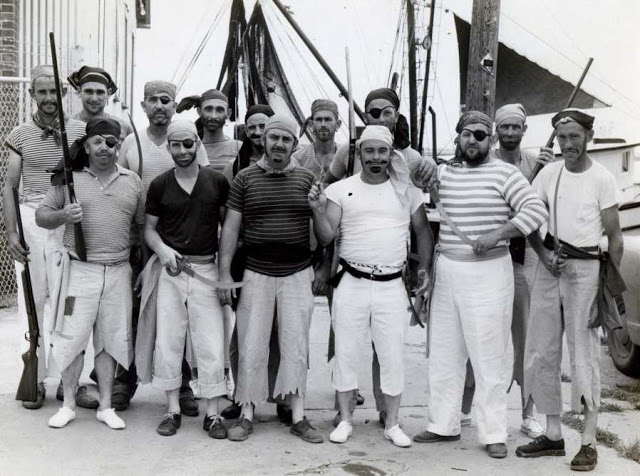
The original participants of the Beaufort Pirate Invasion in 1960
From Mary Warshaw’s article – “On July 9, 1960, town firemen participated in Beaufort’s first reenactment of the Spanish invasion ” implemented from an idea by Grayden Paul.”

The Annual Beaufort Pirate Invasion

Beautiful historic Beaufort, NC is a town that loves its history ” both real and imagined ” and in 1960, the first ever re-enactment of the Spanish invasion took place as a way of commemorating the victory of the Beaufort militia over the attacking Spaniards.

Beaufort artist, author, and historian extraordinaire, Mary Faith Warshaw, has a very thorough article on the history behind the original Spanish invasion as well as a summary of the re-enactments in 1960 and 1961.

These days, an event known as the Beaufort Pirate Invasion has taken things into a slightly different direction, bringing in Pirate re-enactors from all over the country to spend two days acting out scenes that are more reminiscent of the Golden Age of Piracy (or Pirates of the Caribbean) rather than the 1747 Spanish attack.

While the contemporary festivities aren’t strictly a re-enactment of what happened in that frightening summer of 1747, it’s still a wonderful event of great fun that will hopefully get folks interested in learning about the real history of the town and the region.

(This article was originally published April 14, 2015.)

From “The Universal Magazine of Knowledge and Pleasure” (1759): How to keep your ship and crew healthy

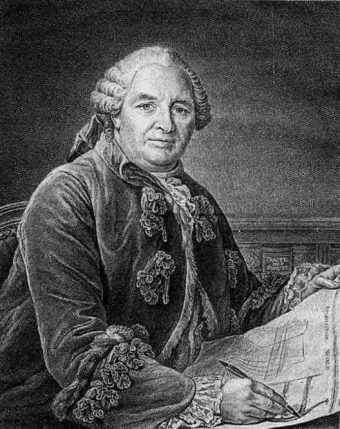
Henri-Louise Duhamel de Monceau
M. Duhamel

While doing book research, I came upon an interesting article that was reprinted in several different publications in the 18th century. It was only credited as being written by M. Duhamel from the Memoires de Trevoux.

I had no idea who M. Duhamel was, but after searching on Google, I learned his full name was Henri-Louise Duhamel du Monceaux (or Duhamel de Monceau), and he was a French physician, naval engineer, and botanist.

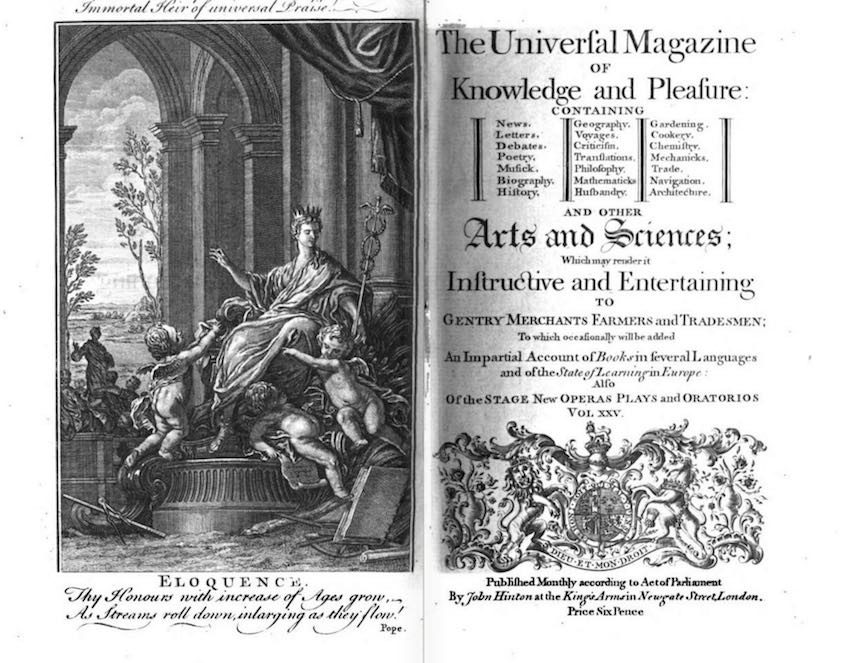
I found the article in the July 1759 edition of publication called The Universal Magazine of Knowledge and Pleasure. The title page revealed more about the book’s contents (Just bear with me on this… It‘s interesting. I‘ll get to the part about “Preserving the Health of Seamen” just a little further down the page.):

Containing News, Letters, Debates, Poetry, Musick, Biography, History, Geography, Voyages, Criticism, Translations, Philosophy, Mathematicks, Husbandry, Gardening, Cookery, Chemistry, Mechanicks, Trade, Navigation, Architecture, and other Arts and Sciences; Which may render it Instructive and Entertaining to Gentry Merchants FArmers And Tradesmen; To which occasionally will be added An Impartial Account of Books in several Languages and of the State of Learning in Europe: Also of the Stage New Operas Plays and Oratorios Vol XXV”. Published Monthly according to Act of Parliament By John Hinton at the King’s Arms in Newgate Street, London. Price Six Pence.”

The article by Mr. Duhamel gave a series of tips for best preserving the health of a ship’s crew, including:

  • Avoid anchoring in areas surrounded by “mud, marshes, and sheltered from the wind”
  • Good air is everything. “Nothing but malignant vapours, or putrid exhalations in the air, can occasion those dreadful contagions that lay waste cities, and sometimes intire [sic] provinces.”
  • Make sure the air can circulate. Stagnate air promotes disease.
  • None should be permitted on board except for “fresh and healthy sailors” who possess “all necessaries in linen and cloaths to keep themselves clean.
  • Keep the ship clean. Sweep, scrub, “especially on the inside, all the parts of the ship, and particularly the post of the sick and the cattle-fold.”
  • All should be washed, but only during the heat of day. Heat helps dry that which has been washed.
  • Vent as much as possible the air below decks.
  • Vinegar! Use vinegar! Vapour of vinegar can be used, vinegar can be splashed on things, even just inhaling the “vapour” of vinegar can have healthful effects.
  • The burning of sulfur can also be helpful, the vapours of which can be cleansing.
  • “[T]he hold, where the air is more corrupt than in any other part of the ship, should never be the lodgment of the sick, except in the time of an engagement. He assigns them a place where there are no hatches from the hold nor the lower deck, because the air issuing from these places is almost always very unwholesome; and advises, in a particular manner, those that are in good health, to make no use of the wearing apparel and the hammocks of the sick, contagious maladies being chiefly communicated by cloathes.”

How did they keep sailors healthy in the 18th century?

If you would like to read the full text of the article with Mr. Duhamel’s recommendations, I have transcribed it below.


An Account of M. DUHAMEL™s Method of preserving the Health of Seamen; from the Memoires de Trevoux.

WHENEVER we see the name of M. Duhanel prefixed to a book, we may be assured, that it is the fruit of the most ardent zeal for the advancement of useful arts, and the good of mankind. Such is his treatise on the Methods for preserving the Health of seafaring Men. It is a summary of what experience discovered to him as most advantageous in that respect ; and we shall therefore extract the most interesting points, and analyse the practical details.

After several observations on the difference of places whose situation is more or less wholesome, M. Duhamel concludes in general, that rising grounds, and exposed to the wind, are the most wholesome; that those situate near tide, fresh or fair water, are not subject to the epidemies that infect ships; that the sea is not the cause of these epidemies; that seamen are more exposed to them, when they anchor in roads surrounded by mud, marshes, and sheltered from the wind; that, when their health obliges them to go on shore, they should be compelled to return aboard for the night, or, if this cannot be conveniently effected, should be kept at a distance from marshy grounds, and not permitted ever to incamp or to lie without good tents set up in dry, high, and open places.

To discover the particular causes of infection in ships, M. Duhamel lays down this general principle: That the different qualities of the air, the vapours that humect, the exhalations that penetrate it, influence to a great degree, the health of the animals that breathe it. Nothing but malignant vapours, or putrid exhalations in the air, can occasion those dreadful contagions that lay waste cities, and sometimes intire provinces. The more the air is debarred of a free circulation, the more it is susceptible of impressions from the causes that alter and corrupt it. Now all these inconveniencies concur to infect the air in ships, especially in the hold of a ship. It there becomes thick, and its thickness does not permit the perspiration of animals that breathe it, to discuss and dissipate it. Whence it happens, that the warmth of this confined air is more sensible than that of the exterior air, and its elasticity is prodigiously weakened. It has not, therefore, that degree of condensation, that freshness, that motion, which makes it favourable to respiration. This may be evinced from the incidents that happen to a bird shut up under a bell, where the air it breathes cannot be renewed. Between decks, and in the hold of ships, provisions contract heat, ferment, and send for exhalations; of which the volume, stench, and malignity are augmented by the like produced by the dung of animals, the smell of their wool, their respiration and transpiration, and the vapours exhaled from the putrid water in ships and in the sink, and even by the bitumen exalted from the sea.

If the ship™s crew are attacked by any sickness, the causes for infecting the air are still more multiplied. During voyages into cold, and much more into hot countries, seamen meet with new sources of disorders. The changes of air and climate are the more dangerous by their indiscretion in braving and even provoking their pernicious impressions. Lastly, salt aliments, though less subject to corrupt, yet, by being hard of digestion, bring on a multiplicity of diseases, especially the scurvy. These are the enemies M. Duhamel endeavors to destroy.

He first proposes precautions against their attacks by preventing them, persuaded, that it is always easier to guard against diseases, than to cure them; or that, if they cannot be intirely avoided, their violence may, in a great measure, be checked or abated.

These precautions are:

  1. œTo admit none aboard, but fresh and healthy sailors, and well provided with all necessaries in linen and cloaths to keep themselves clean. Sick, fatigued, ill-cloathed sailors are, in ships, a source of contagion.
  2. To clean frequently the sink; to sweep and scrub, especially on the inside, all the upper parts of the ship, and particularly the post of the sick and the cattle-fold. All should be carefully washed, but this ought to be only during the heat of the day, that it might dissipate the moisture before night. Cleanliness in the sailors, and keeping the ship from all filth, infection, and every thing productive of putrid exhalations and vapours, cannot be sufficiently attended to.
  3. To purify and renew, as much as possible, the air in the hold and under decks. For this purpose are used vent-holes, the wind-sleeve, bellows, and principally M. Hale™s ventilator.

Vent-holes are only apertures, through which the infected air may escape. Some observations are necessary to direct their use. Vapours are lighter than pure air, and their levity determines them to ascend through the vent given them. This is a general principle, that regulates the form and use of all the machines for reneweing the air of ships. Therefore the vents for introducing the pure air cannot be placed too low, nor those for letting out the infected vapours too high, and, if they were too narrow, the vapours would find in them a friction, which most obstruct, and could not be conquered by their levity. As to the other machines, M. Duhamel proposes some methods for making their play more easy, and their action more effectual.

Fire is another agent, which may serve the same purposes. It rarefies the ambient air, and the vapours it is loaded with. This rarefaction augments considerably their levity, and consequently accelerates their going out. Perfumes are also reckoned as a means for purifying the air of ships. The author alledges some examples of very troublesome and obstinate fainting fits, wherein the smell of vinegar alone produced the most salutary effects. This virtue he attributes less to the stimulating action of vinegar, than to the impression it produces on the air the sick persons breathe: For, says he, there are none but have found some pleasure in breathing the vapour of vinegar on days disposed for stormy weather; wherein, the air being less fit for respiration, one is obliged to fetch frequent and profound respirations; and thus it is sufficiently proved; that it is necessary to sprinkle good vinegar between the decks, and especially in the apartment of the sick. However, it seems probable that the effect is almost as transient as salutary; that is, that the salubrious quality communicated by vinegar to the air, is not so durable as the ease it procures the sick.

The vapours of burning sulphur, continues our author, hinder fermentation, and consequently corruption, even in the liquors that are most disposed to ferment, such as wine, bear, &c. It is also allowed that those vapours serve to disinfect the merchandise that come from countries suspected of contagion. Those Captains of ships are therefore to be commended, who from time to time burn priming powder steeped in vinegar between decks, or who perfume the decks with vinegar poured upon a red-hot ball. M. Duhamel prefers the aspersion of vinegar to its vapour, whereof the smoke is disagreeable, and may be hurtful, if too strong; for indeed the smell of vinegar is more grateful than breathing its vapour; andhe also counsels, in certain roads, when the weather is fair, to perfume with the vapour of sulphur the decks and bread-rooms. Care at the same time should be taken to guard against all accidnets of fire; and the ventilator of M. Hales, a bellows so powerful for pumping air, would not be less so, in diffusing the perfumes throughout all parts of the ship. If any disagreeable smell remained, it might be easily disippated by going about with a red hot iron ladle filled with aromatic drugs of little value, such as juniper-berries, and suchlike.

From all this practical doctrine M. Duhamel concludes, ˜That the hold, where the air is more corrupt than in any other part of the ship, should never be the lodgment of the sick, except in the time of an engagement. He assigns them a place where there are no hatches from the hold nor the lower deck, because the air issuing from these places is almost always very unwholesome; and advises, in a particular manner, those that are in good health, to make no use of the wearing apparel and the hammocks of the sick, contagious maladies being chiefly communicated by cloathes.™ In the time of a plague it has been observed, says he, that whole families have preserved themselves from the contagion, by shutting themselves up in their houses, though they received their provisions from infected persons, who sometimes fell dead whilst they conversed with them from their windows; whereas, at the same time, a single rag would communicate the plague. Of this, adds, he, I have a very decisive proof in the contagion that destroyed so great a number of cattle in France and elsewhere. One of our farmers prreserved all his cows, by keeping them shut up in a stable, and by hindering his domestics to go into infected stables, and those of his neighbours, whose cattle died, to come into his.

It is true, all these precautions for keeping ships from being infected are an addition to the seaman™s toil; but they need not be deemed such when found highly expedient for obtaining the great ends required from their service. M. Duhamel proposes likewise some substitutes to the ordinary food of seamen; but as the victualling of ships, particulary those of war, is provided for as the wisdom of a government thinks most proper we shall not here touch up that article.

When ships are arrived at their place of destination, M. Duhamel recommends that their stay should be as short as possible in rivers and muddy ports sheltered from the wind and known to be unwholesome. He also advises to avoid places wehre the sea is too calm; to abide only where there is good anchorage; to quit from time to time the road, and cruise about, in order to exercise the seamen; to place the land hospital far from vallies, marshes, and stagnant waters; to distribute preservatives against sickness to the soldiers, that repair at night to their tents; to furnish them with fresh provisions in fruits, pulse, fish, &c. This care will be particuarly necessary in the torrid zone: Cold countries require a peculiar treatment in cloathing, exercise, regimen &c. and sailors struck with cold should be kept from the use of spirituous liquors, till they are made to receive a certain degree of warmth.

To conclude, this work may, with good reason, be reputed an excellent manual for all sea-officers, who, no doubt, on perusing it, will confess the obligation they lie under to this learned Academician, for his zeal in promoting their interest, and preserving the lives of those committed to their charge.

Let Freedom Ring! Historical FAQ about Independence Day, the National Anthem, and July 4th celebrations

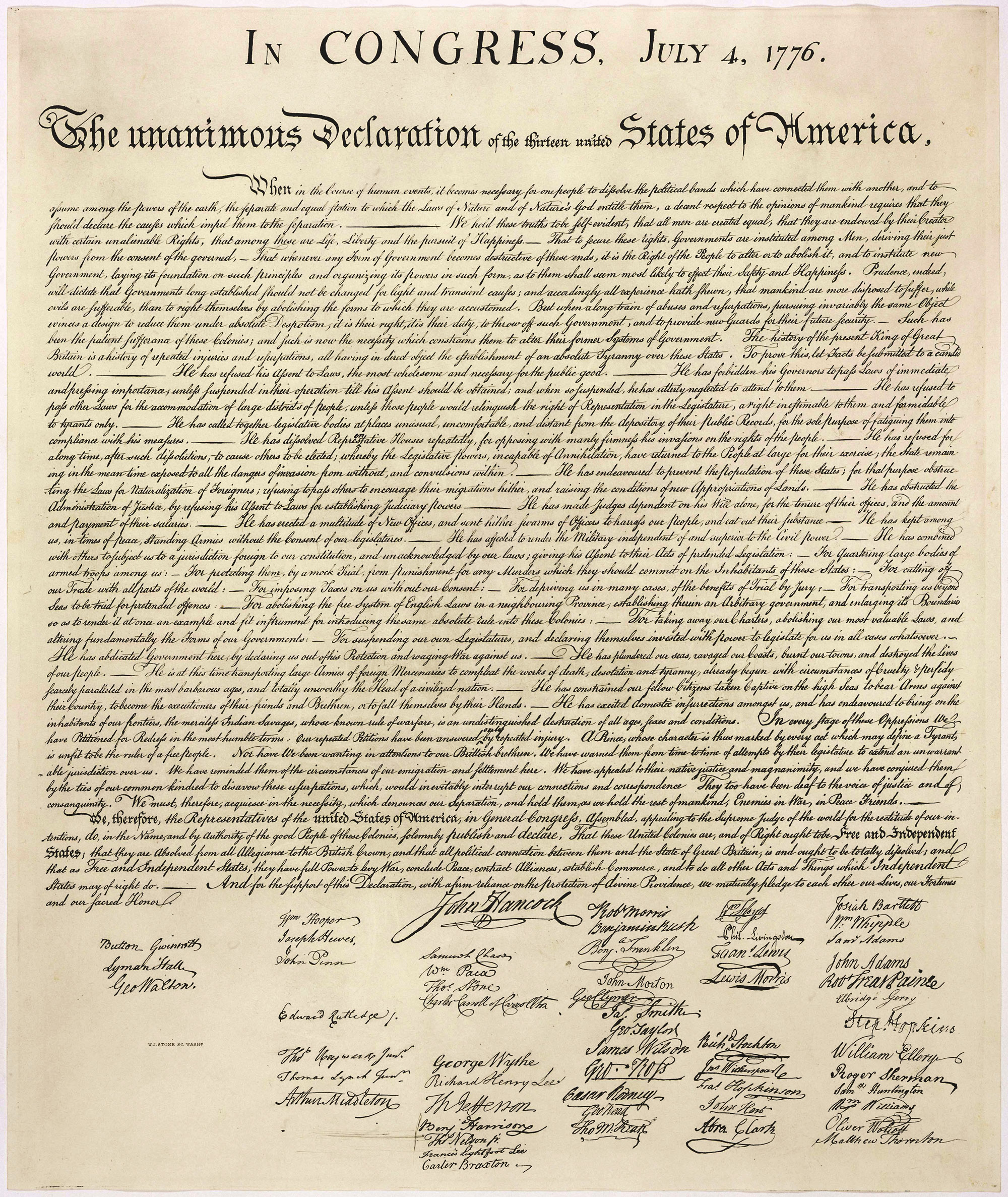
Declaration of IndependenceOn today, July 4th, let’s examine a few bits and pieces of history related to America’s Independence and the patriotic displays that are still celebrated, nearly two and a half centuries after the birth of the United States.

Why do we celebrate July 4th, and what are we celebrating?

The Declaration of Independence, which stated the unanimous intent of the 13 American colonies to separate and stand apart from Great Britain as a new nation, was adopted by the Continental Congress on July 4, 1776.

The 56 signers all agreed, “that all men are created equal, that they are endowed by their Creator with certain unalienable Rights, that among these are Life, Liberty and the pursuit of Happiness,” and that, “Governments are instituted among Men, deriving their just powers from the consent of the governed.” They also agreed that, “whenever any Form of Government becomes destructive of these ends, it is the Right of the People to alter or abolish it, and to institute new Government.”

The decision to declare independence was not one entered into lightly by Congress. In fact, it was a unanimous decision that came about only after much agonizing, debate, and prayer. The Signers believed strongly that given circumstances with Great Britain, especially under the tyrannical leadership of King George III, that America’s only way forward was to institute a new government.

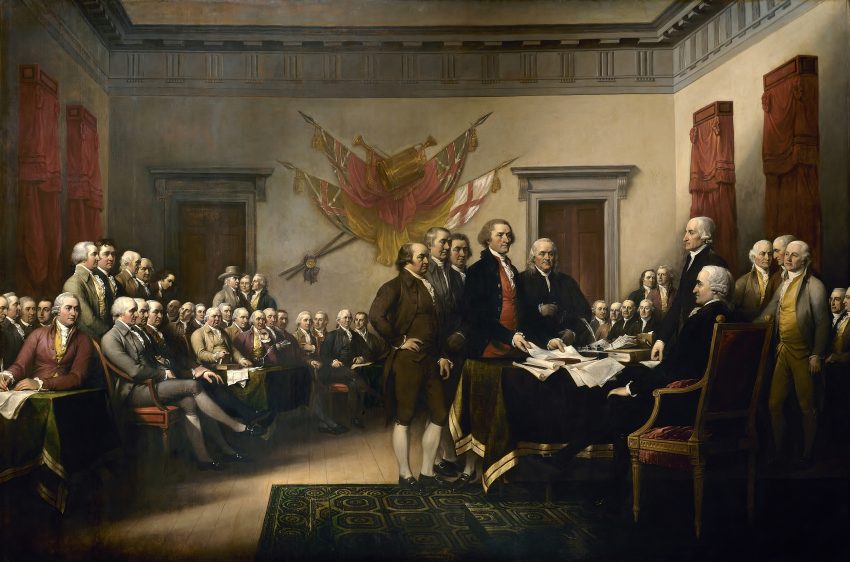
The signing of the Declaration didn't actually happen the way it's depicted in this iconic painting by John Trumbull, but it's still a beautiful representation of the key players and events.
The signing of the Declaration didn’t actually happen like this painting by John Trumbull depicts, but it’s still a beautiful representation of the key players and events.

A list of dozens “repeated injuries and usurpations” by the “present King of Great Britain” (George III) was put forth as evidences of his “absolute Tyranny over these States.”

In the end, the Signers placed their circumstances in the hands of God, “the Supreme Judge of the world” (a phrase that echoes Abraham from Genesis 18:25, who calls the Lord, “Judge of all the earth”), and:

That these United Colonies are, and of Right ought to be Free and Independent States; that they are Absolved from all Allegiance to the British Crown, and that all political connection between them and the State of Great Britain, is and ought to be totally dissolved; and that as Free and Independent States, they have full Power to levy War, conclude Peace, contract Alliances, establish Commerce, and to do all other Acts and Things which Independent States may of right do. And for the support of this Declaration, with a firm reliance on the protection of divine Providence, we mutually pledge to each other our Lives, our Fortunes and our sacred Honor.”

What’s the deal with fireworks and celebrations on the 4th of July?

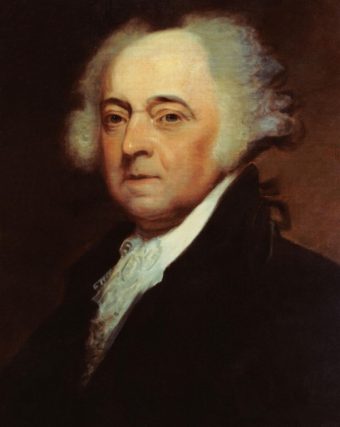
John Adams
John Adams

In a letter to his wife, Abigail, Founding Father John Adams wrote:

The Second Day of July 1776, will be the most memorable Epocha, in the History of America. I am apt to believe that it will be celebrated, by succeeding Generations, as the great anniversary Festival. It ought to be commemorated, as the Day of Deliverance by solemn Acts of Devotion to God Almighty. It ought to be solemnized with Pomp and Parade, with Shews, Games, Sports, Guns, Bells, Bonfires and Illuminations from one End of this Continent to the other from this Time forward forever more.”

Wait… the second day of July?! Why the second?

Well, technically, the Continental Congress voted to adopt the Declaration of Independence on July 2, 1776. It was a momentous occasion. But it was not formally adopted until July 4, 1776, so that is the day we celebrate.

Apparently, John Adams always recognized July 2 as the day our nation declared its independence, going so far as forgo attending July 4th celebrations in his own means of protest.

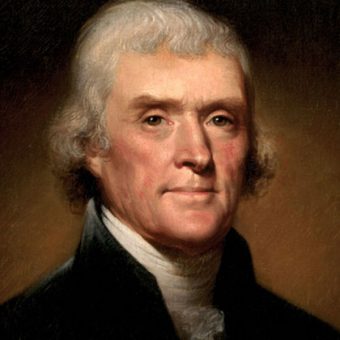
Thomas Jefferson
Thomas Jefferson

In a fascinating bit of Founding Fathers trivia, it should be noted that John Adams (our second President) and Thomas Jefferson (our third President and man who was the primary author of the Declaration), both died on July 4, 1826 ” the 50th anniversary of the formal adoption of the document they championed.

The evolution of Independence Day

While celebrations occurred regularly on July 4th after the first Independence Day (including George Washington doubling the rum rations to his soldiers on that day in 1778), Massachusetts was the first state to officially adopt the day as a holiday in 1781, but nearly a hundred years passed before Congress declared it an official federal holiday.

After the War of 1812, which some might think of as the American Revolution, Part II, Independence Day celebrations became a much bigger deal.

The Star Spangled Banner – Our National Anthem

As Americans, we know to stand, face the flag, and put our hands over our hearts whenever our National Anthem is played, but why do we do it?

Francis Scott Key
Francis Scott Key

In short, it was because the song was written by Francis Scott Key, inspired by events he witnessed during a particularly pivotal battle in the War of 1812, the defense of Fort McHenry during the Battle of Baltimore on Sept. 13, 1814. He was relieved and overjoyed to see the fort’s enormous garrison flag, sewn by Mary Young Pickersgill, flying in the wee morning hours after the battle.

If you want to talk about fireworks, you should have seen the “bombs bursting in air” that he saw from the harbor on that fateful night.

This video does a great job of illustrating the events of that battle and how they came to inspire our National Anthem:

If you’d like to read more bits and pieces of the history that led up to the American Revolution, you can visit this page. More articles are being added to this site regularly, so be sure to subscribe to The Gazette for updates.

Place names in the Adam Fletcher Adventures

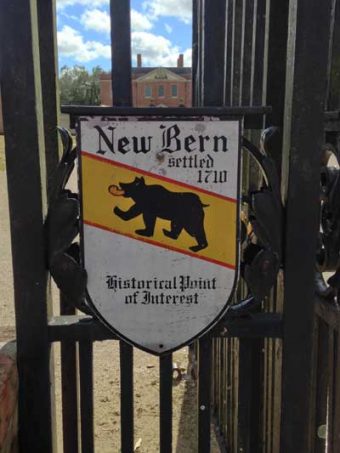
New Bern sign with Tryon Palace in the background

With three books out in the Adam Fletcher Adventure Series, I thought it would be a good idea to write a post about the place names used in the novels ” especially since I don’t always stick with the exact historical place names that were in use in the timeframe the books take place.

While this might seem heretical for historical fiction, I thought long and hard about this before deciding to use (for the most part) contemporary spellings of places like New Bern and Charleston. At the same time, I do alternate between the use of Port Beaufort and Beaufort.

There were many reasons why I chose to do this, but primarily, it’s to stick with a consistent spelling and not confuse readers.

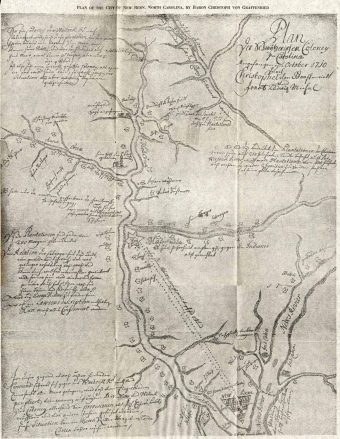
Von Graffenried's map of New Bern
Baron Christoph von Graffenried’s Plan for the town of New Bern

Newbern or New Bern

I chose to use the spelling New Bern for the first book of the Adam Fletcher series. My family has been from Craven County for centuries so I have a great attachment to that place. The town was settled by Baron Christoph von Graffenried in 1710 as New Bern, named for the city of Berne, Switzerland.

In the following decades, the town’s name was written as Newbern. For a time during the mid-to-late-1800s, it was written about in newspapers as New Berne. 

Then, in the 20th century, we see the original spelling, New Bern, become the norm again.

I decided to use the town name’s original spelling both because it is the original spelling of New Bern, and because the colonial capital is a popular tourist destination today. I want folks who’ve been to New Bern, or are planning to visit, to realize that the town in this book is the same place as the beautiful historic town in Craven County, North Carolina.

Beaufort, North Carolina - Sauthier map, 1770
Sauthier’s map of the Port of Beaufort, 1770

Port Beaufort or Beaufort

In the novels, you’ll find both names in use for Adam Fletcher’s home town.

Historically speaking, you’d often see Port Beaufort or Port of Beaufort on maps or in official writings about the town (such as in the Colonial Records), but in conversation, people would have most likely just said “Beaufort” unless they were specifically referring to the shipping business.

Charles Town or Charleston

Any look at old colonial-era maps will yield a variety of spellings of place names. Newspapers at the time also used various spellings of some places. In fact, I have seen maps and newspapers from the same period of history that use Charles Town and Charles-Town as the spelling of what we know today as Charleston.

According to Carolana.com:

From 1670 to 1783, the city was known as Charles Town then Charlestown. No “e” on the end. At the end of the American Revolution in 1783, the name was shortened to Charleston, which has been in use ever since.”

We can assume the pronunciation “Charleston” was likely in use in speech before 1783, but it’s anybody’s guess how long it may have been said like that. Since I’m unsure yet of just how far into the Revolutionary era Adam Fletcher’s adventures will go, I chose to use the 1783 spelling of the name of the famous South Carolina port city.

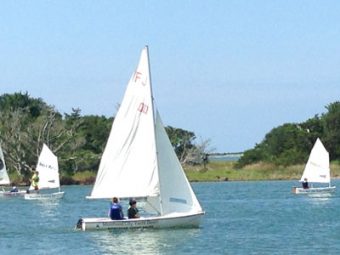
Kids learning to sail in Taylor's Creek
Kids learning to sail at Taylor’s Creek in Beaufort

One more thing…

Regardless of how the names of these old towns are spelled, they are all wonderful places to visit. They are rich with history, timeless architecture, and beautiful waterfronts.

Also, be sure and read all of the Adam Fletcher series. I include all kinds of little known facts and real history in every novel ” the kinds of things you won’t often hear about from a tour guide.

The Real Blackbeard: Get ready to have everything you thought you knew turned on its head

Kevin Duffus is the author of The Last Days of Black Beard the Pirate and is NC Historian of the Year for 2015

In The Smuggler’s Gambit, one of the characters turns out to have a history with the pirate Blackbeard. As he recounts the experiences of his youth, he tells a different story than what legends and myths have had many of us believe over the years.

I credit my good friend, Kevin Duffus, author of The Last Days of Black Beard the Pirate and North Carolina Historian of the Year (2015), with his ground-breaking research on the most famous pirate who ever lived. If you have an hour, you’ll learn in this video that everything you thought you knew about Blackbeard is wrong.

Here are just a few highlights from the lecture:

  • Blackbeard was not middle-aged when he was killed in his final battle with Lt. Maynard. In fact, he was probably only about 28 years old.
  • None of the artistic impressions (woodcuts, portraits, etc.) of Blackbeard are based on any eyewitness accounts.
  • Blackbeard’s real name wasn’t Edward Teach or Edward Thache, or anything of the sort.
  • Blackbeard’s greatest treasure wasn’t gold. Do you know what it was? This video will tell you.

What’s Wrong with Black Beard? by Kevin P. Duffus (Video) from Virginia Historical Society on Vimeo.


(Originally published May 15, 2015.)

Massachusetts Circular Letter (Originally written by Samuel Adams and James Otis, Jr. and passed by the Massachusetts House of Representatives)

Circular letter from the Massachusetts House of Representatives to the provincial legislatures in America

Massachusetts. General Court
February 11, 1768

From The Colonial Records of North Carolina, Volume 07, Pages 686-689


[From MS. Records in Office of Secretary of State.]

Province of the Massachusetts-Bay, Feby 11th 1768.

Sir [to the Speaker of the House of Assembly.]

The House of Representatives of this Province have taken into their serious Consideration, the great Difficulties that must accrue to themselves and their constituents, by the Operation of the several Acts of Parliament imposing Duties and Taxes on the American Colonies.

As it is a Subject in which every Colony is deeply interested, they have no Reason to doubt but your Assembly is duly impressed with its Importance; and that such constitutional measures will be taken by them as are proper.

It seems to be necessary, that all possible Care should be taken that the Representations of the several Assemblies upon so delicate a Point should harmonize with each other: The House therefore hope that this Letter will be candidly considered in no other Light, than as expressing a Disposition freely to communicate their mind to a Sister Colony, upon a common Concern, in the same manner, as they would be glad to receive the Sentiments of you or any other House of Assembly on the Continent.

This House have humbly represented to the Ministry their own Sentiments, that his Majesty’s high Court of Parliament is the supreme legislative Power, over the whole Empire: That in all free States the Constitution is fixed; and as the supreme Legislative derives its Power and authority from the Constitution, it cannot overleap the Bounds of it without destroying its own Foundation: That the Constitution ascertains and limits both Sovereignty and Allegiance; and therefore his Majesty’s American Subjects who acknowledge themselves bound by the Ties of Allegiance, have an

——————– page 687 ——————–

equitable Claim to the full Enjoyment of the fundamental Rights of the British Constitution: That it is an essential unalterable Right in Nature, ingrafted into the British Constitution, as a fundamental Law, and ever held sacred and irrevocable, by the Subjects within the Realm, that what a man has honestly acquired is absolutely his own, which he may freely give, but cannot be taken from him without his Consent: That the American Subjects may therefore, exclusive of any Consideration of Charter Rights, with a decent Firmness adapted to the Character of Freemen and Subjects assert their natural constitutional Rights.

It is moreover their humble Opinion, which they express with the greatest Deference to the Wisdom of the Parliament, that the acts made there, imposing Duties on the People of this Province, with the sole and express Purpose of raising a Revenue, are Infringments of their natural Constitutional Rights, because as they are not represented in the British Parliament, his Majesty’s Commons in Britain by those Acts grant their Property without their Consent.

This House further are of Opinion, that their Constituents, considering their local Circumstances, cannot by any Possibility be represented in the Parliament; and that it will for ever be impracticable that they should be equally represented there, and consequently not at all; being separated by an Ocean of thousand Leagues: and that his Majesty’s royal Predecessors were graciously pleased for this Reason to form a subordinate Legislature here, that their Subjects might enjoy the unalienable Right of a Representation; and that considering the utter Impracticability of their being fully and equally represented in Parliament, and the great Expense that must unavoidably attend even a partial Representation there, this House think that a Taxation of their Constituents, even without their Consent, grievous as it is, would be preferable to any Representation that could be admitted for them there.

Upon these Principles, and also considering that were the Right in the Parliament ever so clear, yet for obvious Reasons it would be beyond the Rules of Equity that their Constituents should be taxed on the manufactures of Great Britain here, in addition to the Duties they pay for them in England, and other advantages, arising to Great Britain from the acts of Trade, this House have preferred a humble, dutiful and loyal Petition to our most gracious Sovereign, and made such Representations to his Majesty’s Ministry, as they apprehended would tend to obtain Redress.

——————– page 688 ——————–

They have also submitted it to Consideration, Whatever any People can be said to enjoy any Degree of Freedom, if the Crown in Addition to its undoubted Authority of constituting a Governor, should also appoint him such a Stipend, as it shall judge proper without the Consent of the People, and at their Expence; and whether while the Judges of the Land, and other civil officers in the Province hold not their Commission during good Behavior, their having Salaries appointed for them by the Crown, independent of the People, hath not a Tendency to subvert the Principles of Equity, and endanger the Happiness and Security of the Subject.

In addition to these measures, the House have wrote a Letter to their Agent Mr Deberdt, the Sentiments of which he is desired to lay before the Ministry, wherein they take notice of the Hardships of the Act for preventing Mutiny and Desertion, which requires the Governor and Council to provide enumerated articles for the King’s marching Troops, and the People to pay the Expence; and also of the Commission of the Gentlemen appointed Commissioners of the Customs to reside in America; which authorizes them to make as many appointments, as they think fit, and to pay the appointees what Terms they please; for whose mal conduct they are not accountable from whence it may happen that Officers of the Crown may be multiplied to such a Degree as to become dangerous to the Liberties of the People, by virtue of a Commission which doth not appear to this House to derive any such advantages to Trade, as many have been led to expect.

These are the Sentiments and Proceedings of this House and as they have too much Reason to believe that the authorities of the Colonies have represented them to his Majesty’s Government and the Parliament as factious, disloyal and having a desire to make themselves independent of the Mother Country, they have taken Occasion in the most humble Terms to assure his Majesty and his Ministers, that with regard to the People of this Province, and as they doubt not of all the Colonies, the Charge is unjust.

The House is fully satisfied, that your Assembly is too generous and enlarged in Sentiment, to believe, that this Letter proceeds from an Ambition of taking the Lead or dictating to the other Assemblies: They freely submit their opinion to the Judgment of others, and shall take it kind in your House to point out to them any Thing further which may be thought necessary.

——————– page 689 ——————–

This House cannot conclude without expressing their firm Confidence in the King, our common Head and Father, that the united and dutiful Supplications of his distressed American Subjects, will meet with his royal and favorable acceptance.

In the Name and by Order of the House of Representatives
I am, Sir, with Respect
Your most humble Servant,
THOMAS CUSHING Speaker
Received April 1st 1768.

For further reading:

Massachusetts Circular Letter at NCPedia (https://www.ncpedia.org/massachusetts-circular-letter)

Correspondence of Governor William Tryon (http://digital.ncdcr.gov/cdm/ref/collection/p249901coll22/id/413146)

Samuel Adams, the Sugar Act, and Taxation (https://www.sarawhitford.com/samuel-adams-on-the-sugar-act-or-taxes-then-and-now/)

What is the truth about the Lost Colony? “ New insight into America’s oldest “mystery”

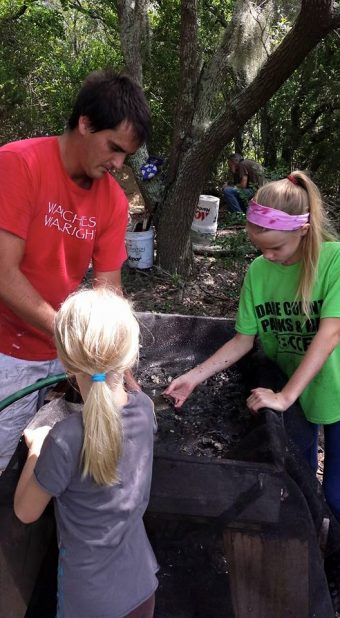
Scott Dawson in the field showing his daughters how to do archaeology.

This isn’t an article about Adam Fletcher. And it isn’t even an article about Colonial Beaufort, or even Colonial America.

This is about something that goes back even earlier…

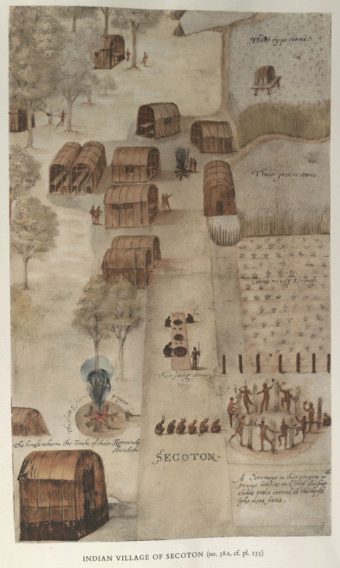
Recently, more than one television documentary has offered viewing audiences one spin after another about one of America™s favorite historical mysteries“the Lost Colony. Through my work with Coastal Carolina Indian Center, as well as my own roots in the region that go back to the earliest colonists and the Algonquian peoples of the coast, I have always had a particular interest in the Lost Colony, but also the other Roanoke expeditions as well. (Yes, there were others.) It was in those expeditions that Thomas Harriot recorded his experiences with the first indigenous Americans who ever encountered the English. It was during those same expeditions that John White created the beautiful watercolor illustrations that give us a glimpse of what life was like in America in the 1580s.

When one has a personal connection to a certain history, it tends to inspire a great passion about it. That seems to certainly be the case with Scott Dawson, who along with his wife, Maggie, founded the Croatoan Archaeological Society. I’ve known Scott for years. He has contributed articles and materials to our CCIC website. Earlier this week I interviewed him about recent discoveries related to the Lost Colony and the related Roanoke expeditions, as well as what his organization is doing to help uncover a fuller picture of the history.

Q “ A lot of news articles and documentaries have been coming out over the last year relating to the Lost Colony. In fact, I understand there was one on the History Channel recently that talked about the Dare Stones. What do you know about that?

A “ I was on the History Channel a few years ago and they were doing a show about the Dare Stones, but they never told me that was what the show was about. When they contacted me they said it was about the “lost colony” and they were interested in the archaeology we had been doing in Hatteras. I had no idea it was a quack show or I would have never agreed to go on it.

The Dare Stones are a hoax, as any reasonable person can tell. The first stone was found the year the Lost Colony play came out in 1937. When that play began, it created the mystery of the “lost colony” to sell tickets and the public was hoodwinked into thinking it was a real mystery.

Magically, the first stone pops up and is authored by none other than a member of the Dare family, of course.

The entire area where the stone was found was excavated, but nothing was found. Later, 41 more stones were found“none of them even in the state of North Carolina“and all by just four people, which it turns out all knew each other and even tried to blackmail a professor into saying they were real.

It was put to bed as a hoax a long time ago in the 1940s, but I guess it makes good TV“so there you have it.

The idea the colony walked to the outskirts of Atlanta and left a trail of stones behind and no other artifacts is probably the dumbest of a host of stupid theories out there.

Q “ The outdoor drama about the Lost Colony has been really popular over the years and is a big tourist draw. Would you say that it’s an accurate portrayal of the history?

The Lost Colony play has been a tourist draw and that is why it was created.  I don™t think the play even pretends to be accurate. Almost nothing about the play is accurate.

The very idea they are lost isn™t even accurate.

Real history from the primary sources is not ambiguous at all about the fate of the colony. The œlost colony of 1587 was the fourth English voyage to North Carolina.

This watercolor of Secotan“an Indian village that was across Pamlico Sound from Hatteras island“was created by John White during one of the Roanoke expeditions.

The first voyage landed at Hatteras Island“then called Croatoan. This is the voyage that met Manteo“who was from Croatoan“not Roanoke. They only spent one night on Roanoke Island during the six-week stay of the first voyage. A relationship had begun with the Croatoan of Hatteras Island that continued for years.

The second voyage had English people living on BOTH Hatteras Island and Roanoke Island. The English were at war with Indians from the adjacent mainland and killed their Chief and burned one of their villages before going back to England.

The third voyage was just 15 men left on Roanoke who got attacked by the mainland Indians.

The fourth voyage was the one known as the Lost Colony and they were only stopping by to get the 15 men from the year before, only to discover they had been killed.

The Lost Colony also had a man, George Howe, [who was] killed in 1587 by mainland Indians. When this happened, they sent 20 men with Manteo to his home, Hatteras, to get help. They were hosted to a feast and told that the Croatoan of Hatteras would try to smooth things over for the English with the mainland. Instead, they sacked a mainland village and stole all the corn and split it with the English. When the governor left and instructed the colony to carve out where they had moved to, it was no shocker that they wrote “Croatoan.” This is a tribe the English had known for years and the only tribe in the area who did not want to kill them. These are facts.

Unfortunately, if you tell the facts from the primary sources you can™t pretend the colony is lost and thus you won™t sell as many tickets.

Q “ What is your connection to this history? Why is it something that you care so much about?

A “ I am a history teacher in Elizabeth City and as I tell my students what matters the most is the truth. I feel like the mythology of the Lost Colony is a slap in the face to the Croatoan people.

In the real history, they fed and cared for the English and undoubtedly adopted them in the end. Yet in the mythology, they are marginalized to a strange message on a palisade and all mention of their contact with the English is swept under the rug.

Q “ You have been researching this history for years and you’ve found many archaeological artifacts, right? Many of them you have found just living on Hatteras?

A “ I grew up on Hatteras and my Mother™s family has lived there for at least eight generations.

We go back to the Croatoan who were still living there well into the 1750s.

There was a land grant to the Hatteras Tribe in 1751 that was signed by the colonial governor Arthur Dobbs.

My family still lives on that land, as well as many other families, most of whom have been doing so since they were wearing deerskins.

I have found thousands of pieces of pottery and other artifacts and started doing so when I was 10 years old. Now I head a non-profit group and got professionals from the University of Bristol to start doing archaeology there for the last seven years.

Anyone who knows me knows I told them exactly where the Croatoan villages were and predicted 16th century material would be in the village. So far we have located more than one Croatoan village and found several 16th century English artifacts mixed in with Croatoan exactly where I and pretty much everyone on the island has always said it would be.

Q “ I’m aware that a university in England has taken interest in digging at Buxton. How did the Croatoan Archaeological Society (CAS) come to partner with an archaeology team from across the pond? And why do you think North Carolina universities haven’t gotten involved?

A “ North Carolina Universities would probably love to be involved, but unfortunately, the property owners“at least most of them“do not trust them. ECU did some digs in the late 1990s and they also took artifacts that people had brought for them [back to the university] to look at and never returned them.

It is a very small community and they burned that bridge.

The University of Bristol (UoB) from England was a good choice, after all, this is their history too. We have always had American volunteers and many Americans from the University of Michigan, William and Mary and South Carolina have been involved in one way or another. In fact, our last dig was mostly Americans.

Usually the British outnumber us on these digs, but it is a great opportunity for the school kids of Hatteras to get some exposure to a different culture. The UoB students have done digs at the high school with local students and we actually found some pottery from about the year 500 behind the school.

CAS is a community organization so we work with the school and do all kinds of programs for the kids.

UoB has been wonderful. I can™t say anything but positive comments on their work ethic, professionalism and dedication. Dr. Mark Horton is the leader and when I met him in 2009, he had me pick the places to dig, secure permission, and off we went. The finds were so amazing he told me we needed to get organized and form CAS, so we did.

Q “ What have been some of the most interesting finds in your excavations?

A “ Everyone would answer this question differently. Obviously the English stuff from the 1500s such as a writing slate, a rapier (sword handle) and the Nuremberg token, copper bun, Elizabeth glass and all the œlost colony stuff is at the top of the list for most.

For me it is seeing the postholes of the Croatoan longhouses and knowing exactly where their houses were. I also like the really old stuff we have found“some of the spear points are thousands of years old.

I like anything with art on it too, especially the Native pottery and some of the decorated pipes. The whole thing is amazing. It is as close to time travel as it gets.

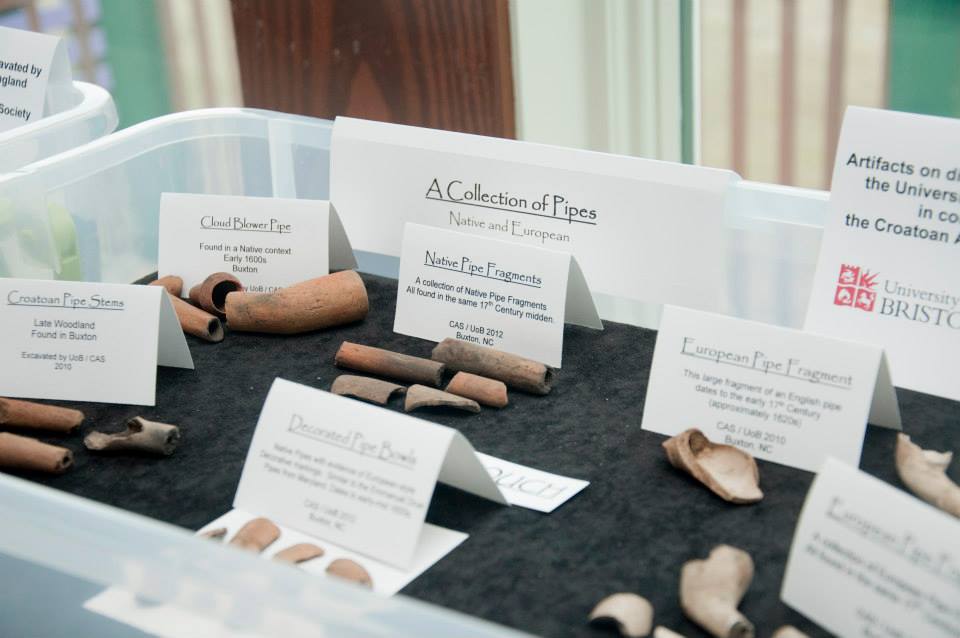
A glimpse of some of the artifacts found in excavations by Croatoan Archaeological Society and the University of Bristol

Q “ What do those finds mean for interpreting the history of the so-called Lost Colony?

A “ It means the “lost colony” wasn™t lost. They were abandoned and went exactly where they indicated they went with the CROATOAN message.

If anything is a mystery, it is that no one looked in the most obvious location for almost 400 years.

It goes to show how few people actually read primary sources and how much misinformation is circled around by so many so called experts.

It is sad really, because now that we have the evidence we have to deal with these competing theories that have no basis in reality like the Dare Stones, or Beechland, or Bertie.

If people would just read the historical context of the colony they would know that going inland would be like a Jewish family during World War II fleeing Poland by going to Germany! The mainland was attacking and killing the English, whereas Croatoan had been feeding and protecting them for years. Not to mention the fact the colony carved “CROATOAN” in the palisade to indicate that is where they went, and now we found their stuff there.

It™s irritating, but I think any reasonable person can understand the colony went to Croatoan if given the facts.

The London Times featured the work of the archaeological discoveries documented by Professor Mark Horton (University of Bristol - England) along with Croatoan Archaeological Society.
The London Times featured the work of the archaeological discoveries documented by Professor Mark Horton (University of Bristol – England) along with Croatoan Archaeological Society.

Q “ In your opinion, what happened to the Lost Colonists? Where did they end up? Did they survive? Did they“as some have suggested“go into the sassafras business?

First of all, sassafras grows all over the state“including Hatteras, and even Roanoke“so the idea they would go inland to get it is like saying they went inland to get pinecones or acorns.

Clearly, they went to Croatoan as they indicated.

I do not think they faired very well regardless of where they went because Jamestown is only 20 years later and no one ever sent word to Jamestown saying anything.

If you look at Jamestown almost all of them died in the first few year“and they had help from Indians too. It is only by sheer weight and constant resupply that they managed to survive.

This is not to say that some colonists did not pass on a few offspring with the Croatoan. In fact, in 1701 John Lawson reported grey eyed Indians on Hatteras who told him flat out that they had white ancestors who came on Sir Walter Raleigh™s ships.

Most likely what was left of the 1587 colony died off in the winter of 1602. This was a record cold winter due to a volcano that erupted in South America and caused record lows across North America.

Who knows? Saying the colony went to Croatoan is one thing, but after that it is a speculation game. In my opinion they didn™t do too well, passed on a few children with the Croatoan, and perished. If they had lived and thrived they would have contacted Jamestown and no one did so.

Q “ Everyone always talks about the colonists, but what about the Indians? What happened to the indigenous people from Hatteras? Did they survive?

The Natives of Hatteras like so many other tribes on the coast did survive but they were greatly reduced by disease and war. They fought on the side of the English in the Tuscarora War in 1711 and we have a handful of references to them in the 1700s when they had been reduced to less than 100 people. The archaeology shows they were still thriving in the 1600s with a healthy diet of deer, fish, birds, turtles, shellfish and that they had some access to European trade goods like brandy and guns. In the end they intermarried with white people and stayed on the island. That is where my family comes from, as well as most other old families on the island. Many visitors to the island in the 1700s reported a mixed race community living there and by the late 1700s the archaeology goes completely European.

Q “ What have you found to be some of the biggest misconceptions regarding the history about the Lost Colony and the indigenous people of Croatoan and the surrounding areas?

One misconception is that the Croatoan did not have much to eat and could not support the colony. To quote Dr. Horton, that idea is œcomplete rubbish.

Another misconception is that the Croatoan did not live on Hatteras year round. We can prove they did, and in fact have for thousands of years.

Another misconception is that Croatoan was some strange word left by the colony. It is a real place and real people that the colony had had contact with since 1584, and a known ally of the colony. I think that might be the biggest misconception. There are so many misconceptions, most of which were created to aid the mythology.

Q “ Where can people learn more about your organization and its discoveries?

The Croatoan Archaeological Society website is www.cashatteras.com or they can find us on facebook.

Also, my book Croatoan: Birthplace of America, details a lot of the history. We also have displays of the artifacts at the county library in Hatteras Village that can be seen for free. We are updating that location soon with new cases and more artifacts.

The whole point of CAS is to preserve the real history of the island and share it with the world. We have a few discoveries that have not been announced yet and no doubt more to unearth. Stay tuned, or better yet sign up and join us to be a part of history!

Smuggling in Colonial America: What drove good men to do it?

Smuggling in Colonial America

Before I ever started working on The Smuggler’s Gambit, I had done a lot of studying about not only smuggling in the colonial era, but what prompted otherwise law-abiding men to do it. It happened in all sorts of ways and by men you might otherwise not expect.

In May 1764, the month following the passage of the Sugar Act, Samuel Adams said this:

œFor if our Trade may be taxed why not our Lands? Why not the Produce of our Lands & every thing we possess or make use of? This we apprehend annihilates our Charter Right to govern & tax ourselves “ It strikes our British Privileges, which as we have never forfeited them, we hold in common with our Fellow Subjects who are Natives of Britain: If Taxes are laid upon us in any shape without our having a legal Representation where they are laid, are we not reduced from the Character of free Subjects to the miserable State of tributary Slaves.

Make no mistake about it, the fact that American colonists felt their livelihoods were being negatively impacted by trade regulations was a key cause of the Revolution. The fact that there was all of this “taxation without representation” was adding insult to injury.

Why shouldn’t they be able to trade with markets in the Spanish, French or Dutch West Indies without being penalized? Why should the government in Great Britain make decisions that would affect the livelihoods of the hardworking folks in the colonies across the Atlantic? These are questions, among many others, that American colonists couldn’t help but ask.

They knew they were building a country from scratch, after all. Why should politicians a world away be able to impede their progress and economic success with the brush of a pen?

One thing that I had not known about until I started studying that decade between the French and Indian War and the American Revolution was the informal policy known as Salutary Neglect. That basically meant that throughout the early 1700s, England looked the other way at most American colonial trade violations. They didn’t force the colonies to play by the rules because they knew the fledgling economy would grow much more quickly if it were unhampered by oppressive trade regulations.

By the end of the Seven Years’ War, however, King George and Parliament decided it was time for Americans to start doing their part to refill Great Britain’s coffers so the period of Salutary Neglect came to an end”especially, with the the passage of the Sugar Act in 1764. (A conversation about this very thing takes place in The Smuggler’s Gambit on Adam Fletcher’s first day at Rogers Shipping Company between him and senior cooper Boaz Brooks.)

What made good men turn to smuggling?

One has to think outside the box when it comes to smuggling and what drove men to do it.

While many might have a knee-jerk reaction to the concept as one only performed by rogues and reprobates, the truth is smuggling is rampant even to this day.

Here in North Carolina, for instance, many kinds of fireworks are illegal to possess without a license. But does that stop North Carolinians from buying said fireworks? Goodness, no! I know of people who make it a point to travel to the South Carolina border every year before Independence Day to stock up on what they would call patriotic contraband.

And what about folks from California who will purchase items from out of state because California manufacturing and environmental regulations would otherwise ban them?

And then there are those in other countries who smuggle in Bibles or other books or movies that are otherwise banned?

In other words, smuggling isn’t always about things that we would typically label as “bad”, like drug running or modern slave trafficking. It can be about ordinary people who want to buy or sell ordinary things, but their local governments have set up trade restrictions on those particular items”either with crippling taxes, or by banning them outright.

Here are a couple of good resources about smuggling in colonial America:

Smuggler Nation by Peter AndreasAmericans with Attitudes: Smuggling in Colonial America (A research article)

Smuggler Nation: How Illicit Trade Made America (Book by Peter Andreas)

As a point of interest related to the setting of the Adam Fletcher Adventure Series, the Colonial Records of North Carolina also have some interesting entries about smuggling and smugglers, at least relating to how various legislators were responding to the issue, as well as particularly interesting items such as this one about the pirate Blackbeard and his dealings with Governor Charles Eden.

This article* by By Dr. Noeleen Mcllvenna from the North Carolina Department of Cultural Resources talks about why the state was such a haven for pirates.:

“Although pirates™ chief hunting grounds became the Caribbean Sea, North Carolina™s Outer Banks (and their treacherous geography) provided a safe hiding place from the Royal Navy. The people of Albemarle had political and economic motives for their friendly relationships with buccaneers. The region had always stood as a place of shelter for those most oppressed by owners or masters in England or Virginia. Runaways of many backgrounds”including slaves and indentured servants, along with small farmers and traders”pushed through the water-logged wilderness of the Great Dismal Swamp. They wanted to escape the few powerful planters who controlled society in colonial Virginia. One Virginia governor described northern Carolina as œthe refuge of our renegades. Few moral or ethical dilemmas worried these Albemarle settlers when dealing with men and women prepared to steal from rich merchants or the royal bank account. What others called lawlessness, Carolina™s early colonists considered freedom. This included freedom from burdensome taxes set by an oppressive government (in which they had no say) across the ocean. Politically, many sympathized with pirates.”

* – While I think the above excerpt is in line with other research I have done, I can’t vouch for the accuracy of the whole article since it propagates the myth that Blackbeard’s head was tied from the bowsprit of Lt. Maynard’s vessel on the way back to Virginia, a ridiculous notion considering it would’ve taken several days to get there from Ocracoke and would draw flies and be rotted entirely upon arrival in Virginia.


Next Page »

Primary Sidebar

Please note: All links to vendor sites are provided as part of an affiliate program.

About the Author

Sara Whitford's third-great-grandfather, William Morris, wrote their family lineage in a worn old copy of Robinson Crusoe. Adventure, literature, and history are in her blood. Ever since she can remember, she has been fascinated by the intriguing past of the coastal North Carolina region that has been home to her … Read more about About the Author